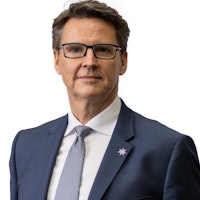

Our CEO, Andrew Kay had a column in Tuesday’s The Advertiser setting the scene for Charter26. Read the unedited version here:
The 2026 State Election is now six months away and from a business perspective, the mood feels different from other years.
For the first time in a long time, we are on the national radar. Rather than asking “why South Australia?” business leaders around the country are interested in what is happening here. They have a belief — often better than our own — of good things at play and a newfound optimism. They even know the name of our Premier, although they rarely pronounce it correctly.
Now that SA has poked its head above the parapet, how could we approach the next four years?
The South Australian Business Chamber releases its Pre-Election Charter26 this week, proposing initiatives for our political leaders to consider as part of their pitch to the business community.
It is drawn from information gleaned from surveys, conversations and focus groups across the state.
In the Charter, we are clear: this is not the time for South Australia to duck back under the duvet. In fact, now that we are in the game we need to push hard to take the momentum we have and position ourselves for the longer term. We’ve had a taste of what it looks like to be up the front, and we don’t want to go back.
We must be bold in our ambition. Where we are uncompetitive, we need to compete. Where we are competitive, we need to be the best. And where we lead, we need to put daylight between us and the rest of the field.
This approach doesn’t have to translate to outlandish ideas. The state’s finances don’t allow for that right now. What it does present is the scope to take on policy change that would not have been previously considered, to think in terms of how we capitalise on opportunities as opposed to waiting for them to appear.
The South Australian Business Chamber’s Charter26 presents 14 initiatives across three themes: Productivity and Economic Growth; Future Workforce; State Tax Reform.
The first theme targets red tape reduction, export incentives, digital capability and security, and energy savings. Future Workforce aims to address the shortage of skilled and unskilled workers across the state, possibly the greatest risk to our ability to deliver on our economic potential. The third theme looks at how we can use tax reform to position South Australia as the best state in the country to do business, attracting investment in metropolitan and regional centres.
While there are many who feel bullish about our state’s prospects, it’s important to recognise that the Survey of Business Expectations, conducted by the Chamber each quarter in partnership with William Buck, tells a different story.
It reminds us that at our core we are a small business state; and it is this group who have been feeling the brunt of managing a cost of doing business crisis in the midst of a cost of living crisis. Businesses have seen energy costs, insurance premiums, wages, regulatory impost and every business input hit new heights, at a time when consumer spending has taken a downturn. We all know business owners who are battling, exiting or have gone in the past few years, having relied on public discretionary spending that has dried up.
This Charter looks out for them.
As our state’s massive infrastructure projects take hold and attract new players, we are seeing the creation of a two-speed business economy. If you are part of the flourishing government supply chain, life is good! Plenty of work and payments on time. But for the rest? It’s tough.
We don’t want South Australia’s economic transformation to leave us with the haves and the have-nots of business. Every business, small, medium or large deserves the opportunity to come along for the ride.
The decades ahead are rich with possibility for our state across a diverse number of sectors – the economic complexity we hear about is within reach.
The next four years is fertile ground for a government prepared to partner with business and create the settings that can set South Australia apart as a destination for private investment and career development. Both are essential if we are to deliver on the promise that has people asking, “why not South Australia? “